
🐾 Why We Don’t Sell Choke Collars
At Principal Pets, your dog’s welfare always comes first. That’s why we do not sell choke collars — and why we believe it’s important for dog owners to understand the risks behind them.
What Is a Choke Collar?
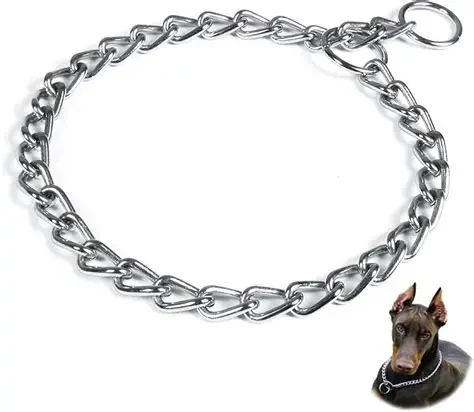
A choke collar is typically made from a metal chain that tightens around a dog’s neck when the lead is pulled. Some trainers use them to deliver “corrections,” applying pressure or pain to stop unwanted behaviour.
While this may interrupt pulling in the moment, it does not teach your dog how to walk calmly. Instead, it can increase stress, fear, and even aggression.
Are Choke Collars Safe?
Short answer: no.
Even when used without harsh corrections, choke collars can cause pain, discomfort, and long‑term injury to a dog’s neck, throat, and spine.
A Dog’s Neck Is More Delicate Than You Think
If you feel your dog’s neck and then your own, you’ll notice how similar they are. Both contain:
- Trachea — vital for breathing
- Oesophagus — essential for swallowing
- Thyroid gland — regulates metabolism
- Lymph nodes
- Jugular vein
- Muscles and the spinal column
The key difference? A dog’s skin under the fur is only 3–5 cells thick, compared to 10–15 cells in humans. That makes their neck far more vulnerable to pressure and injury.
What Injuries Can Choke Collars Cause?
1. Thyroid Damage
The thyroid gland sits exactly where a collar rests. Research shows:
- Pulling on a choke collar traumatises the thyroid gland
- The body attacks the inflamed tissue
- This leads to hypothyroidism, causing:
- Low energy
- Weight gain
- Skin issues
- Hair loss
- Ear infections
- Organ complications
Another study found that choke collars significantly increase pressure in the eyes when force is applied. This is especially dangerous for dogs with:
- Glaucoma
- Thin corneas
- Existing eye injuries
Dogs wearing harnesses showed no increase in eye pressure under the same conditions.
2. Increased Eye Pressure
If Choke Collars Hurt, Why Does My Dog Still Pull?
Dogs can’t tell us when they’re in pain. Their instinct to move forward often overrides discomfort in the moment — but the long‑term damage remains.
Are Choke Collars Humane If Used Properly?
Some argue that choke collars are humane when used “correctly.” But if a tool has the potential to cause:
- Neck injuries
- Spinal damage
- Thyroid trauma
- Eye pressure spikes
- Pain or fear
…it cannot reasonably be considered safe or humane.
Try applying gentle pressure to your own neck — it’s easy to understand why these collars are risky.
What Are the Safer Alternatives?
At Principal Pets, we only support training tools and methods that protect your dog’s physical and emotional wellbeing. Choke collars simply don’t meet that standard.
Thanks to Positively.com for supporting evidence‑based, humane training information.

There are far more effective and humane ways to teach your dog to walk nicely on a lead.
1. Work With a Positive Trainer
A qualified, reward‑based trainer can help you teach loose‑lead walking without fear or pain. Try exploring positive dog training methods.
2. Use a Harness Instead of a Collar
Harnesses distribute pressure safely across the chest and shoulders. Options include:
- Standard harness
- Front‑clip / no‑pull harness such as the Halti Harness
Even strong, enthusiastic dogs can walk beautifully without choke collars.
Our Commitment to Dog Welfare
Contact Information
Opening Hours
Principal Pets
184 Telegraph Road
Heswall
Merseyside
CH60 0AJ
Tel: 0151 342 9635
Email: info@principalpets.co.uk
VAT : 178 3864 58
Free Local Delivery
Monday Closed
Tuesday 09:00 to 17:30
Wednesday 09:00 to 17:30
Thursday 09:00 to 17:30
Friday 09:00 to 17:30
Saturday 09:00 to 17:30
Sunday Closed