
🐠Caring for Your Fish: A Beginner‑Friendly Guide to Healthy, Happy Aquatic Pets
Fish are peaceful, fascinating pets that bring colour and calm to any home. Whether you keep a single betta or a lively community tank, proper care is essential to keep your fish healthy and thriving. This guide covers everything you need to know — from tank setup to feeding, cleaning, and spotting signs of illness.
🐠 Choosing the Right Fish
🏡 Setting Up the Tank
A healthy fish starts with a healthy environment.
Tank Size
- Small fish still need space — aim for at least 40 litres for most species.
- Goldfish require at least 75 litres for one, plus more for each additional fish.
Filtration
A good filter keeps water clean and oxygenated. Choose one suitable for your tank size and clean it regularly.
Heating & Lighting
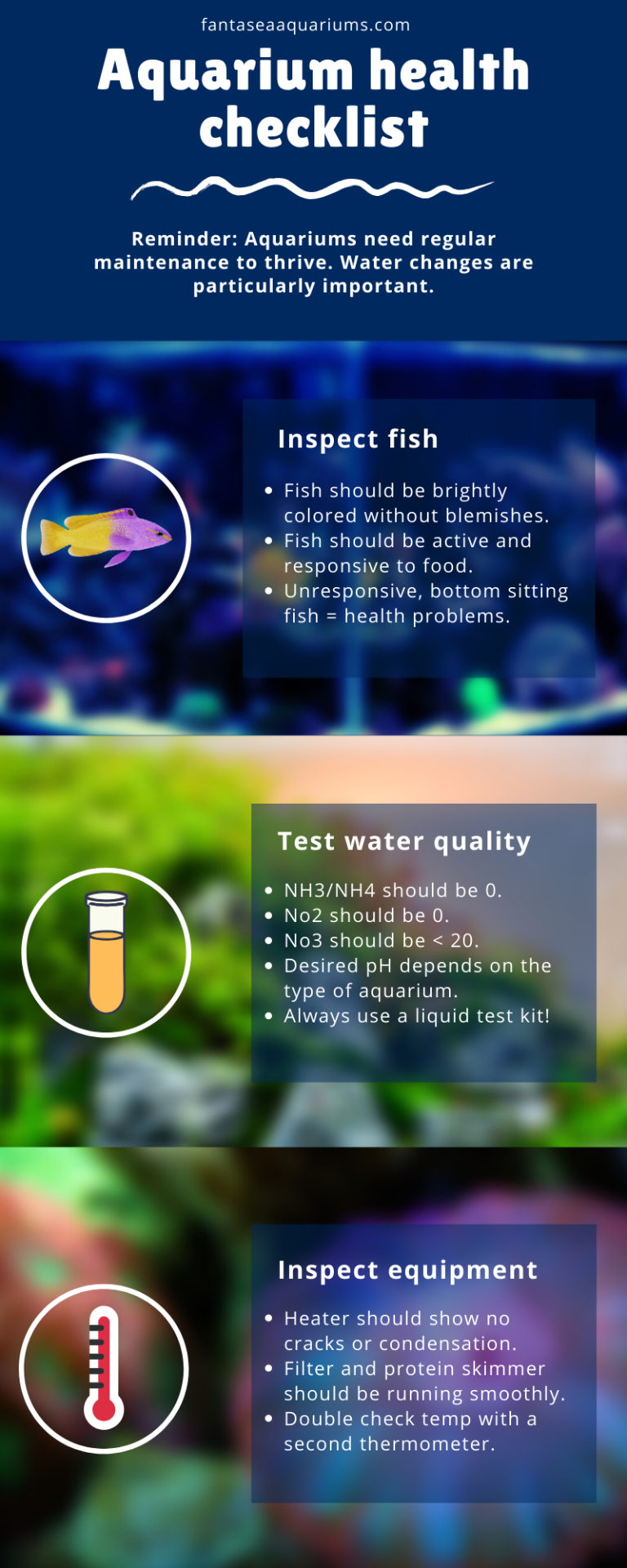
- Tropical fish need a heater to maintain 24–27°C.
- Cold‑water fish like goldfish do not need heating.
- Provide a regular day/night cycle with aquarium lighting.
Substrate & Decor
Use smooth gravel, sand, plants, and hiding spots. Avoid sharp decorations that can tear fins.
Cycling the Tank
Before adding fish, the tank must be cycled — a process that builds beneficial bacteria to break down waste. This usually takes 4–8 weeks. To cycle your new tank follow these steps:
1. Set Up Your Tank Properly
Start by installing all essential equipment — a filter, heater (for tropical fish), substrate, and dechlorinated water. This creates the foundation your beneficial bacteria will grow on.
2. Add a Source of Ammonia
To kick‑start the cycle, introduce a small amount of fish food or pure ammonia. As it breaks down, it produces ammonia, which beneficial bacteria need to develop.
3. Test Your Water Regularly
Use an aquarium water test kit to monitor ammonia, nitrite, and nitrate levels.
Ammonia rises first
Nitrites appear next
Nitrates rise last
The cycle is complete when ammonia and nitrites reach zero and nitrates increase.
4. Be Patient — Cycling Takes Time
A full aquarium cycle usually takes 4–8 weeks, depending on tank size, temperature, and the strength of your ammonia source.
🍽️ Feeding Your Fish
Fish do best on a balanced diet. Most species thrive on:
- High‑quality pellets or flakes
- Occasional treats like bloodworms, daphnia, or brine shrimp
- Fresh vegetables for certain species (peas, spinach, cucumber)
How Much to Feed
Feed only what they can eat in 1–2 minutes, once a day. Overfeeding is one of the most common causes of poor water quality.
Different fish have different needs. Before bringing any home, consider:
- Tank size requirements
- Temperament (some fish nip, chase, or stress others)
- Water type (cold‑water vs tropical)
- Compatibility with other species
Popular beginner‑friendly fish include bettas, guppies, mollies, platies, danios, and goldfish (though goldfish need much larger tanks than most people realise).
🧼 Cleaning & Maintenance
A clean tank is essential for healthy fish.
Daily
- Check fish behaviour
- Ensure equipment (filter, heater, lights) is working
- Remove uneaten food
Weekly
- Change 20–30% of the water
- Vacuum the substrate
- Clean algae from glass
Monthly
- Rinse filter media in old tank water (never tap water)
- Check water parameters (ammonia, nitrite, nitrate, pH)
🩺 Fish Health & Common Problems
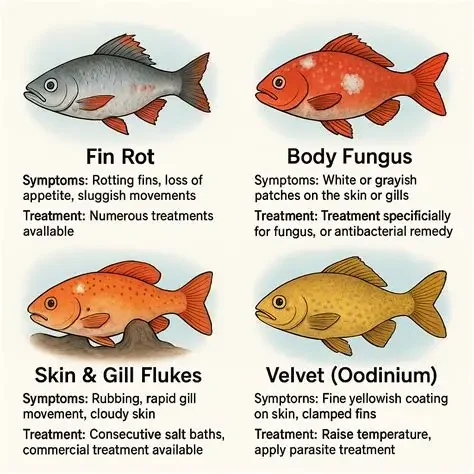
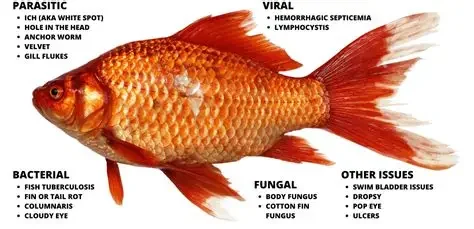
Watch for signs of illness:
- Clamped fins
- Loss of colour
- White spots
- Rapid breathing
- Lethargy
- Floating or sinking issues
- Not eating
Many fish diseases are treatable if caught early. Poor water quality is the most common cause, so regular maintenance is key.
⭐ Key Takeaway
With the right tank setup, consistent maintenance, and proper feeding, fish can live long, healthy lives and bring beauty and calm to your home.
Contact Information
Opening Hours
Principal Pets
184 Telegraph Road
Heswall
Merseyside
CH60 0AJ
Tel: 0151 342 9635
Email: info@principalpets.co.uk
VAT : 178 3864 58
Free Local Delivery
Monday Closed
Tuesday 09:00 to 17:30
Wednesday 09:00 to 17:30
Thursday 09:00 to 17:30
Friday 09:00 to 17:30
Saturday 09:00 to 17:30
Sunday Closed